
Sydney · Concrete Pavements
Joint Sealing
Clean, prime and seal concrete joints so slabs move as designed and water stays out of the subgrade.
The work
What is joint sealing?
Joint sealing is where we seal the joints in concrete pavements.
Why Do We Seal Joints?
Joint Sealing is done to prevent the ingress of surface water, below the concrete slabs, into the substructure of the pavement.
Water infiltration is “the beginning of the end” for pavement.
Water that penetrates to the sub base of the pavement will allow it to soften and become unstable. Joint Sealing of a concrete slab also prevents the joints filling with non compressible matter, which will prevent expansion joints from allowing movement, thus shifting stresses to other points in the slab which eventually leads to irregular cracking.
Unsealed joints may allow a concrete slab to sink and crack.
If utilized early enough, joint sealing can defer, and even eliminate the need for more expensive maintenance; such as Slab Jacking or Stabilizing (Mud Jacking, Lifting or Pressure Grouting), or in the worst case, the costly complete reconstruction of the concrete slabs.
The use of joint sealing on a concrete pavement prior to an asphalt overlay slows and greatly reduces reflective cracking on the new pavement layer.
What type of joints are suitable for sealing?
Joints must always be dry.
Depending on; the type of joint, desired service life, serviceability, and budget, joint preparation may involve any combination of the following:
- Raking or Ripping
Excessively deep joints may also be packed with backing rod prior to sealing.
As a minimum, joints are always blown with compressed air to clean the joint of loose material, which may prevent bonding of the sealant.
What type, of materials are suitable for joint sealing?
For the best performance and cost effectiveness, a hot applied rubber modified bitumen sealant will always yield the best results.
All Concrete Pavement Management Systems should include a suitable joint sealing program. This allows greater utilization of your pavement maintenance budget.
Joint Sealing works effectively as both a preventive and routine maintenance.
With an effective joint sealing regime you will be able to prevent water from deteriorating your pavement sub-bases and prevent the need for more expensive Slab Jacking, Stabilizing (Mud Jacking, Lifting or Pressure Grouting) and reconstruction.
We look forward to working together
FAQ
Joint Sealing questions
Straight answers to what councils, contractors and property managers ask us most.
What is joint sealing?
Joint sealing is where we seal the joints in concrete pavements to prevent the ingress of surface water below the concrete slabs, into the substructure of the pavement.
Why does joint sealing matter?
Water infiltration is "the beginning of the end" for a pavement. Water that penetrates the sub base softens it and lets slabs sink and crack. Sealing also stops joints filling with non-compressible matter, which would prevent expansion joints from moving and shift stresses into the slab.
What types of joints are suitable for sealing?
Longitudinal and transverse joints - construction, control and expansion joints.
What materials do you use?
For the best performance and cost effectiveness, a hot applied rubber modified bitumen sealant will always yield the best results. Joints must always be dry, and are prepared by sawing, routing or blowing out with compressed air as required.
Can joint sealing prevent bigger repairs later?
Yes. Utilised early enough, joint sealing can defer and even eliminate the need for more expensive maintenance such as slab jacking, and in the worst case the costly complete reconstruction of the concrete slabs.
Related
Other concrete pavements services
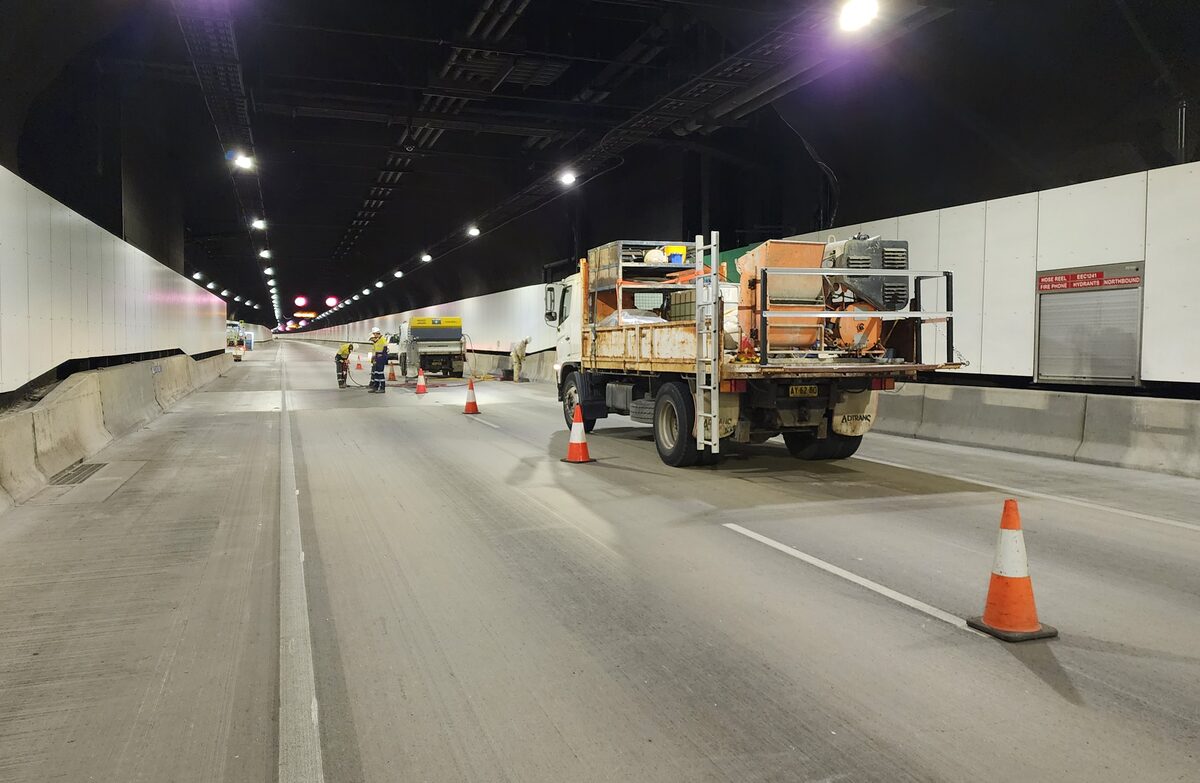
Slab Jacking
Pressure grouting to lift, stabilise and re-level sunken concrete slabs. No demolition, no replacement, no road closure.
View service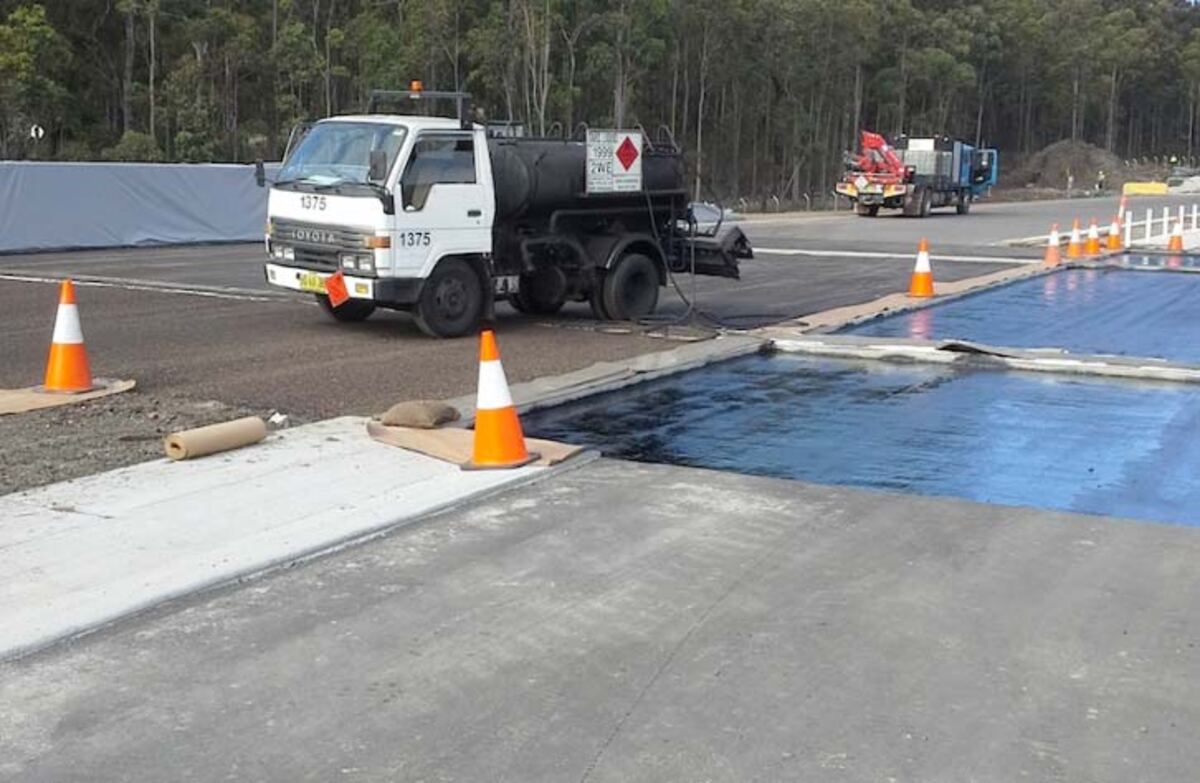
QDP Spraying
Quick drying primer sprayed to specification so bitumen seals and hot mix bond properly to concrete.
View service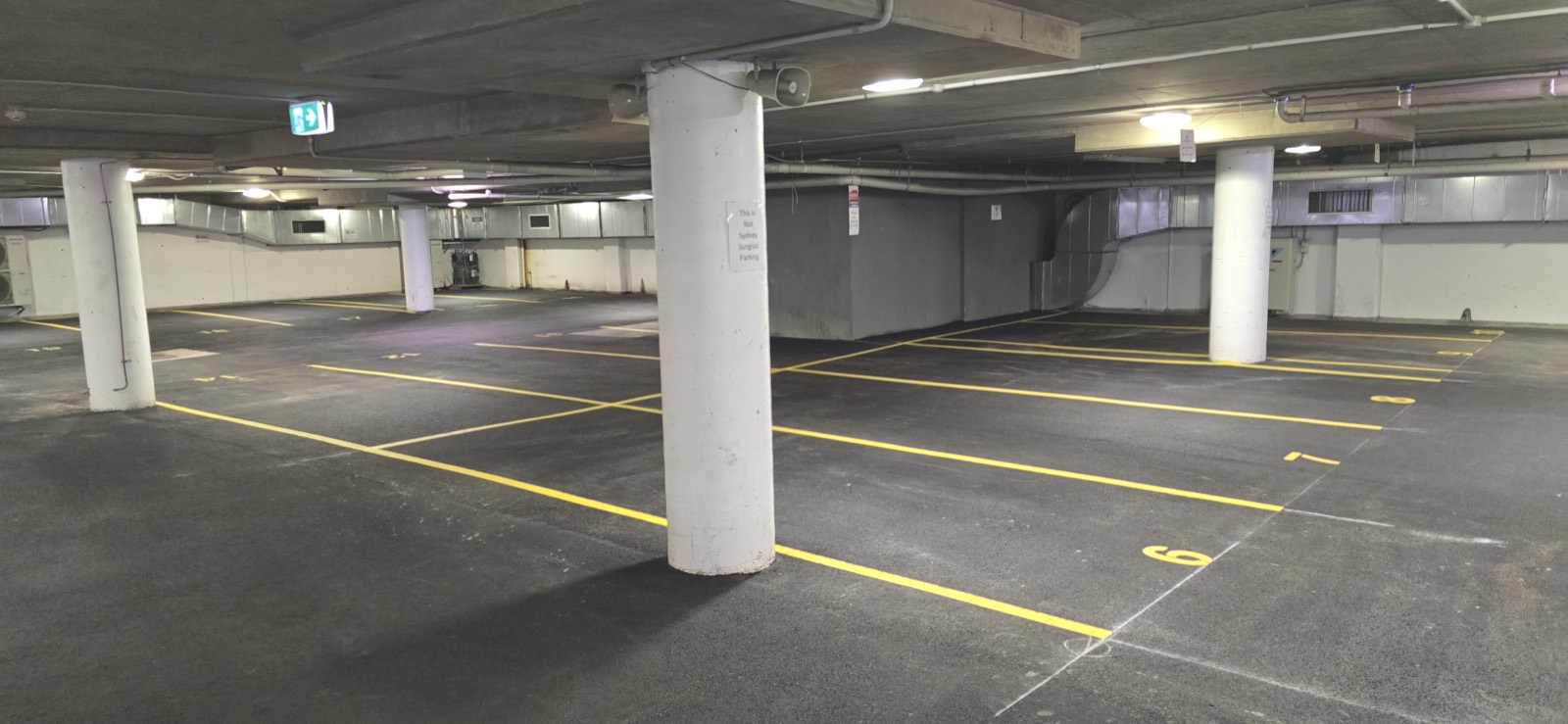
Line Marking
Road, carpark and compliance line marking on both asphalt and concrete, set out and applied to Australian standards.
View service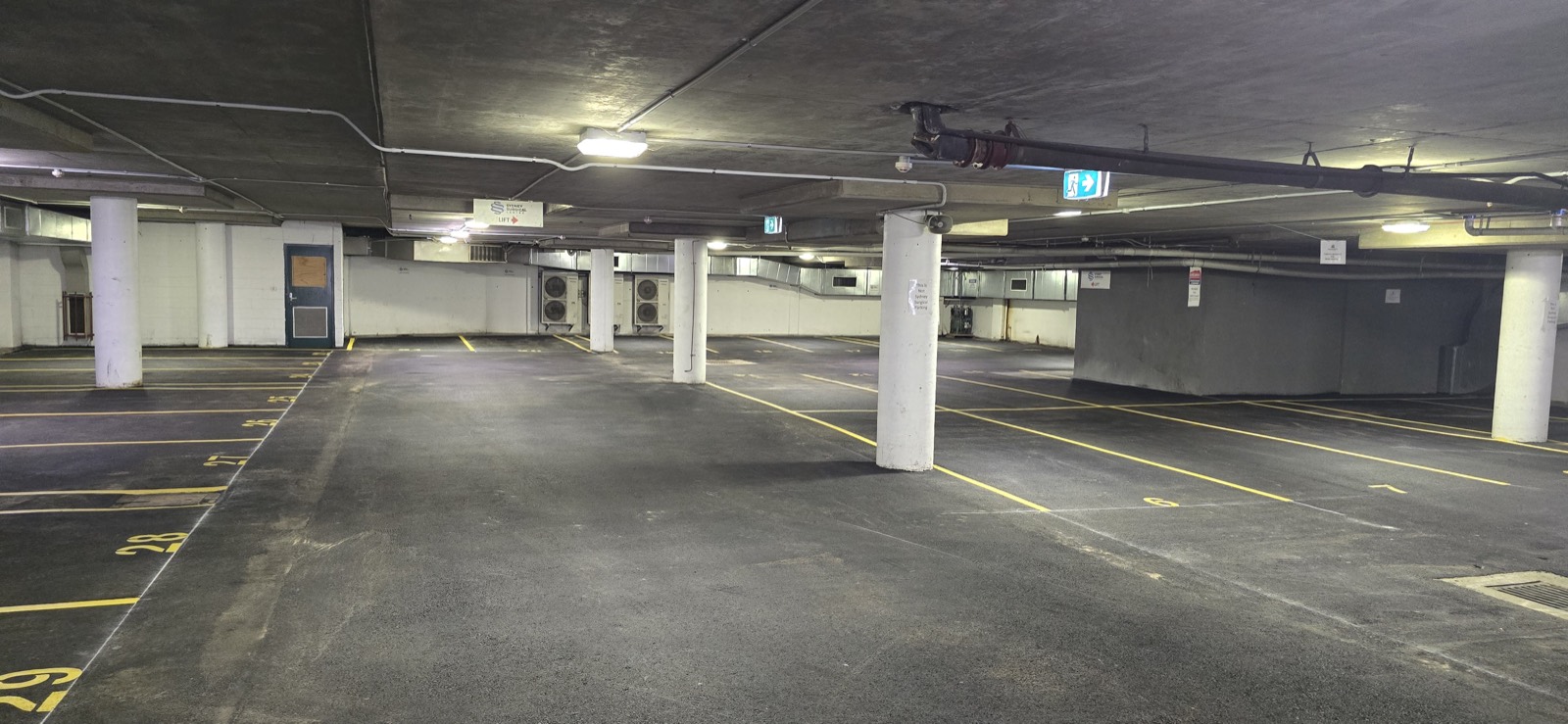
Line Marking Sydney
Line marking for road safety, parking, worksites and industrial facilities across Sydney.
View serviceGet a quote
Quote a joint sealing job
Send us the location and what is failing. We inspect before we quote, so you find out whether it is a surface or a base problem first.
Need joint sealing in Sydney?
Send us the location and a photo and we will tell you what the pavement actually needs.